Within Spam Risk
When Product Feeds Become Thin Affiliate Pages
Copied merchant feeds can make an affiliate page look convenient while giving Google little reason to rank it over the original retailer.
On this page
- How copied feeds create duplicate search results
- What meaningful product page value looks like
- Safer ways to use merchant specifications
Page outline Jump by section
Introduction
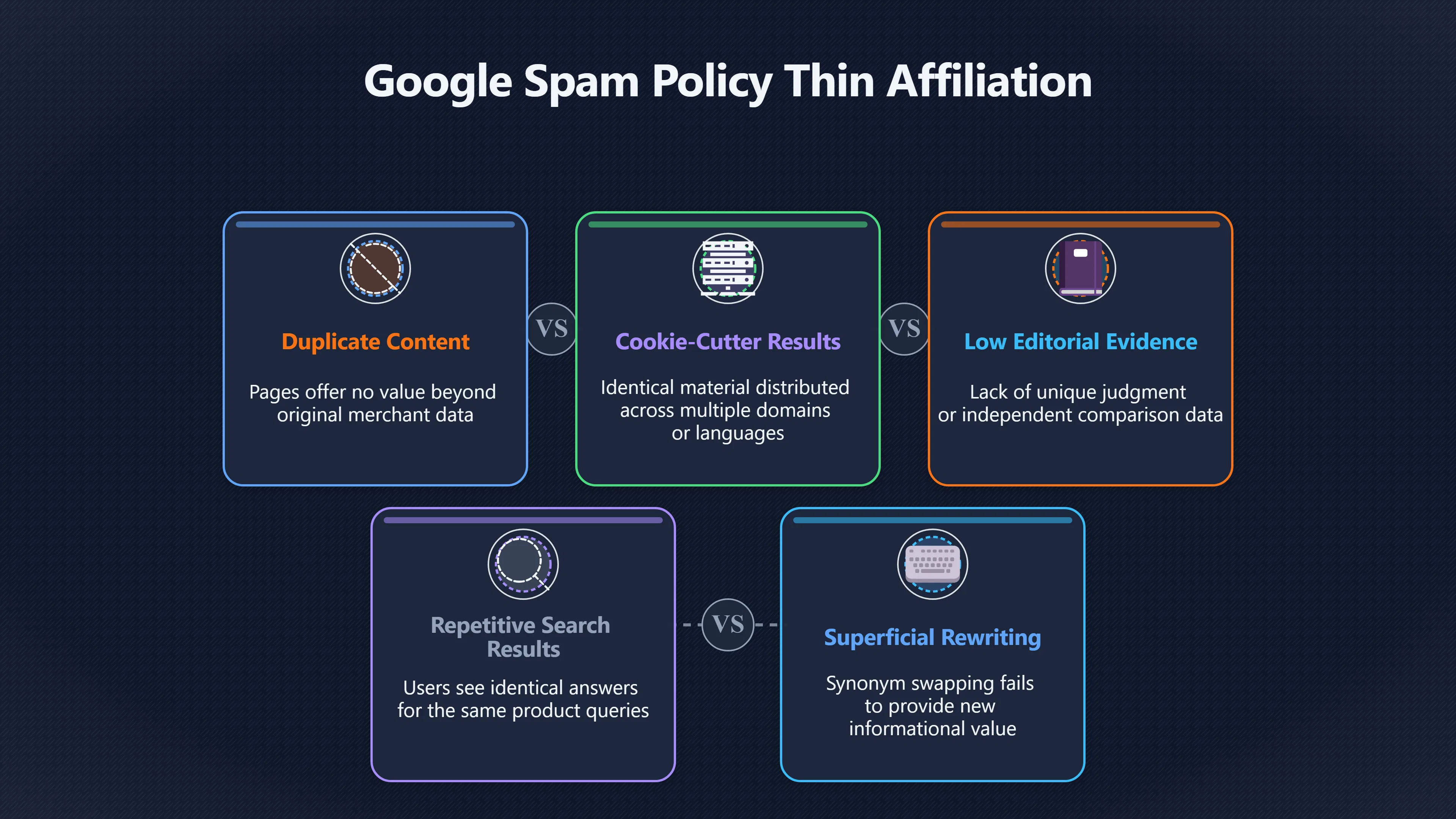
Using a merchant’s product feed is a normal part of affiliate marketing, but publishing those feed entries with little or no original work creates one of the clearest examples of a thin affiliate page. The problem is not the feed itself. The problem is that searchers receive another page containing the same specifications, descriptions, images and selling points already available from the retailer or dozens of other affiliates. Google has long described this as “thin affiliation”: affiliate content that offers little additional value beyond the original merchant information. Pages built this way have little reason to rank because they do not improve the search results for users.[Google for Developers]developers.google.comGoogle for DevelopersSpam Policies for Google Web SearchThe spam policies detail the behaviors and tactics that can lead to a page or an…
 For anyone building affiliate websites, copied product feeds should therefore be treated as raw data rather than finished content. The commercial opportunity comes from adding independent judgement, explanation and comparison before the affiliate link, not from republishing the merchant catalogue.
How copied feeds create duplicate search results
Merchant feeds typically contain structured information such as product names, technical specifications, prices, availability, manufacturer descriptions and stock photographs. These fields are designed to help retailers and affiliates keep product information current, not to become a complete webpage.
When dozens or hundreds of affiliates publish the same feed with only minor wording changes, several problems emerge:
- Search engines encounter many pages describing the same product in almost identical language.
- Users see repetitive results that answer the same question in the same way.
- There is little editorial evidence showing why one affiliate deserves visibility over another.
- Even if prices differ slightly, the informational value remains substantially unchanged.
Google’s spam policies specifically identify thin affiliation as content where product descriptions or reviews are copied from the original merchant without meaningful original content. The documentation also warns about affiliate programmes distributing substantially identical material across multiple affiliates, domains or languages, creating “cookie-cutter” search results.[Google for Developers]developers.google.comGoogle for DevelopersSpam Policies for Google Web SearchThe spam policies detail the behaviors and tactics that can lead to a page or an…
Simply rewriting sentences rarely changes this assessment if the underlying page still communicates nothing beyond the merchant’s own listing.
Why copied specifications are rarely enough
Product specifications are factual rather than editorial. Dimensions, battery capacity, screen size, processor model and warranty length are useful, but they are widely available from manufacturers and retailers.
A page consisting primarily of:
- manufacturer specifications;
- standard marketing descriptions;
- stock product images;
- affiliate purchase buttons; and
- automatically imported pricing,
does not answer many of the questions buyers actually have, such as:
- Is the product good value compared with competitors?
- What compromises come with the lower price?
- Who should avoid buying it?
- Which advertised features matter in real use?
- What alternatives deserve consideration?
These questions require editorial judgement rather than database fields. Because merchant feeds cannot provide that judgement, a feed-only page contributes little unique information to Google’s search results. Google’s guidance contrasts these pages with valuable affiliate content that offers original reviews, rigorous testing, meaningful comparisons, price context or improved product navigation.[Google for Developers]developers.google.comGoogle for DevelopersSpam Policies for Google Web SearchThe spam policies detail the behaviors and tactics that can lead to a page or an…
What meaningful product-page value looks like
The safest affiliate pages use merchant data as supporting material rather than the main attraction.
Meaningful added value often includes:
- Independent comparisons. Explain why one product suits a particular type of buyer while another offers better long-term value.
- Evidence-based recommendations. Describe testing, hands-on experience, measurements or clearly attributed expert sources.
- Trade-off analysis. Discuss strengths alongside weaknesses instead of repeating promotional claims.
- Buying guidance. Help readers decide whether to purchase now, wait for a different model or consider another category.
- Contextual explanations. Translate technical specifications into practical consequences for everyday use.
For example, instead of repeating that a laptop has “16 GB RAM and a 512 GB SSD”, an original page explains whether those specifications remain adequate for software development, gaming, office work or video editing over several years.
That interpretation is far harder to duplicate than the specification itself and provides a genuine reason for users—and search engines—to prefer the page.
Safer ways to use merchant specifications
Merchant feeds remain useful when they support rather than replace original publishing.
A stronger approach is to treat feed information as reference material:
- Keep specifications accurate and up to date using the feed.
- Add original summaries explaining which specifications actually matter.
- Compare identical specification fields across competing products.
- Highlight unusual or important differences instead of reproducing entire specification tables without comment.
- Clearly separate factual manufacturer data from your own editorial conclusions.
This creates a page where structured product information supports independent analysis instead of becoming the entire content.
Common warning signs of a feed-driven affiliate site
Several patterns frequently indicate that a site depends too heavily on copied merchant information:
- Hundreds or thousands of pages generated from the same template.
- Product descriptions differing only by the product name.
- Large specification tables with almost no original commentary.
- Reviews that simply rearrange manufacturer marketing claims.
- Pages where affiliate links appear before any useful buying advice.
- Multiple domains publishing nearly identical catalogues in different regions or languages.
Individually, none of these automatically violates Google’s policies. Together, they often resemble the cookie-cutter affiliate networks described in Google’s spam documentation.[Google for Developers]developers.google.comGoogle for DevelopersSpam Policies for Google Web SearchThe spam policies detail the behaviors and tactics that can lead to a page or an…
Why originality matters more than uniqueness alone
Some publishers attempt to avoid duplication by mechanically rewriting merchant descriptions with synonyms or automated text generation. This may produce technically different wording while preserving exactly the same informational value.
Google’s published guidance consistently focuses on usefulness rather than superficial textual uniqueness. A page can contain entirely original sentences yet still offer no meaningful benefit if it merely restates the manufacturer’s sales copy in different words. Conversely, a page that incorporates factual product specifications while contributing original testing, comparisons or expert judgement provides additional value even though some factual data inevitably overlaps with other sources.[Google for Developers]developers.google.comGoogle for DevelopersSpam Policies for Google Web SearchThe spam policies detail the behaviors and tactics that can lead to a page or an…
The practical distinction is straightforward: copied feeds tell readers what the seller says about a product, while valuable affiliate pages help readers make a better purchasing decision than they could by visiting the merchant directly. That added judgement is what gives an affiliate page its strongest case for earning search visibility.
Amazon book picks
Further Reading
Books and field guides related to When Product Feeds Become Thin Affiliate Pages. Use these as the next step if you want deeper reading beyond the article.
Everybody Writes
Helps readers create original product descriptions, reviews and editorial content that adds value.
The Art of SEO
Explains sustainable search optimisation built on original value rather than duplicated content.
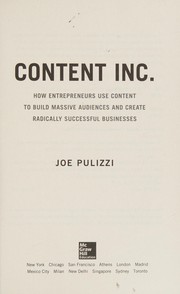
Content Inc
Focuses on building unique, audience-first content instead of relying on syndicated material.
Epic Content Marketing
Demonstrates how distinctive content outperforms repetitive promotional pages over time.
eBay marketplace picks
Marketplace Samples
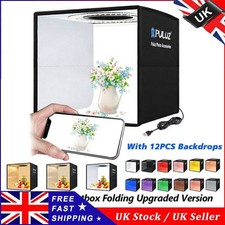
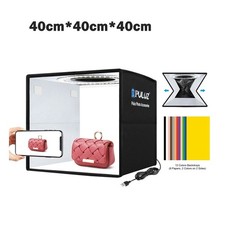
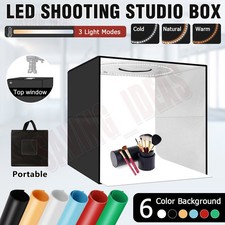
Example marketplace items related to this page. Use the search link to explore similar finds on eBay.

Endnotes
1.
Source: developers.google.com
Link:https://developers.google.com/search/docs/essentials/spam-policies
Source snippet
Google for DevelopersSpam Policies for Google Web SearchThe spam policies detail the behaviors and tactics that can lead to a page or an...
2.
Source: developers.google.com
Link:https://developers.google.com/search/[updates
Source snippet
To get the latest Search Central documentation updates delivered...Read more...
3.
Source: support.google.com
Link:https://support.google.com/merchants/answer/6098512?hl=en
Source snippet
Ratings policies - Google Merchant Center HelpDuplicate content: Each review should only appear in one feed and only once in that feed...
4.
Source: support.google.com
Title: avoid duplicate google shopping listings—it s against policy and best practices
Link:https://support.google.com/google-ads/community-guide/349078337/avoid-duplicate-google-shopping-listings%E2%80%94it-s-against-policy-and-best-practices?hl=en
Source snippet
Duplicate Google Shopping Listings—It's Against...6 Jun 2025 — This community guide introduces important items that are clearly not perm...
Additional References
5.
Source: reddit.com
Link:https://www.reddit.com/r/PPC/comments/1qpm3oq/competitor_flooding_google_shopping_results_with/
Source snippet
plicating the exact same products (same GTINs) multiple...Read more...
6.
Source: facebook.com
Link:https://www.facebook.com/gizmodo/posts/googles-spam-policies-now-apply-to-attempts-to-manipulate-ai/1416885070304623/
Source snippet
pages with no added value, just copy-paste content...Read more...
7.
Source: gsqi.com
Title: a nightmare on affiliate street
Link:https://www.gsqi.com/marketing-blog/a-nightmare-on-affiliate-street/
Source snippet
How Google is picking off...24 Oct 2024 — I have a large list of sites violating Google's 'Site reputation abuse' policy and noticed som...
8.
Source: searchengineland.com
Title: Google’s spam update vs
Link:https://searchengineland.com/google-spam-update-ai-affiliate-sites-seo-experiment-470168
Source snippet
AI affiliate sites: An SEO...26 Feb 2026 — An experiment with AI affiliate sites shows how Google's spam systems treat low-trust, progra...
9.
Source: blog.google
Title: defending search users from parasite seo spam
Link:https://blog.google/company-news/inside-google/company-announcements/defending-search-users-from-parasite-seo-spam/
Source snippet
Defending Search users from “Parasite SEO” spam13 Nov 2025 — So in March 2024, we updated our anti-spam policy based on a longstanding pr...
Published: March 2024
10.
Source: youtube.com
Link:http://www.youtube.com/watch?v=VnxNDXR8DuA
Source snippet
What Is Thin Content? SEO Fail & Ad Network Kiss of Death...
Published: March 2026
11.
Source: youtube.com
Title: What Does Google Say about Duplicate Content (and other questions)
Link:http://www.youtube.com/watch?v=cD67tRxj5oY
Source snippet
Google Killed Affiliate Marketing. Do THIS Instead...
12.
Source: youtube.com
Title: What Is Thin Content? SEO Fail & Ad Network Kiss of Death
Link:http://www.youtube.com/watch?v=ASRopdQzwbs
Source snippet
What Does Google Say about Duplicate Content (and other questions) - Answered...
13.
Source: youtube.com
Title: Google Killed Affiliate Marketing. Do THIS Instead!
Link:http://www.youtube.com/watch?v=5tmRy4G7HfA
Source snippet
Duplicate Content and SEO: Will Google Penalize Me?...
14.
Source: youtube.com
Title: Duplicate Content and SEO: Will Google Penalize Me?
Link:http://www.youtube.com/watch?v=M-4UwtJ1Yj0
Topic Tree